


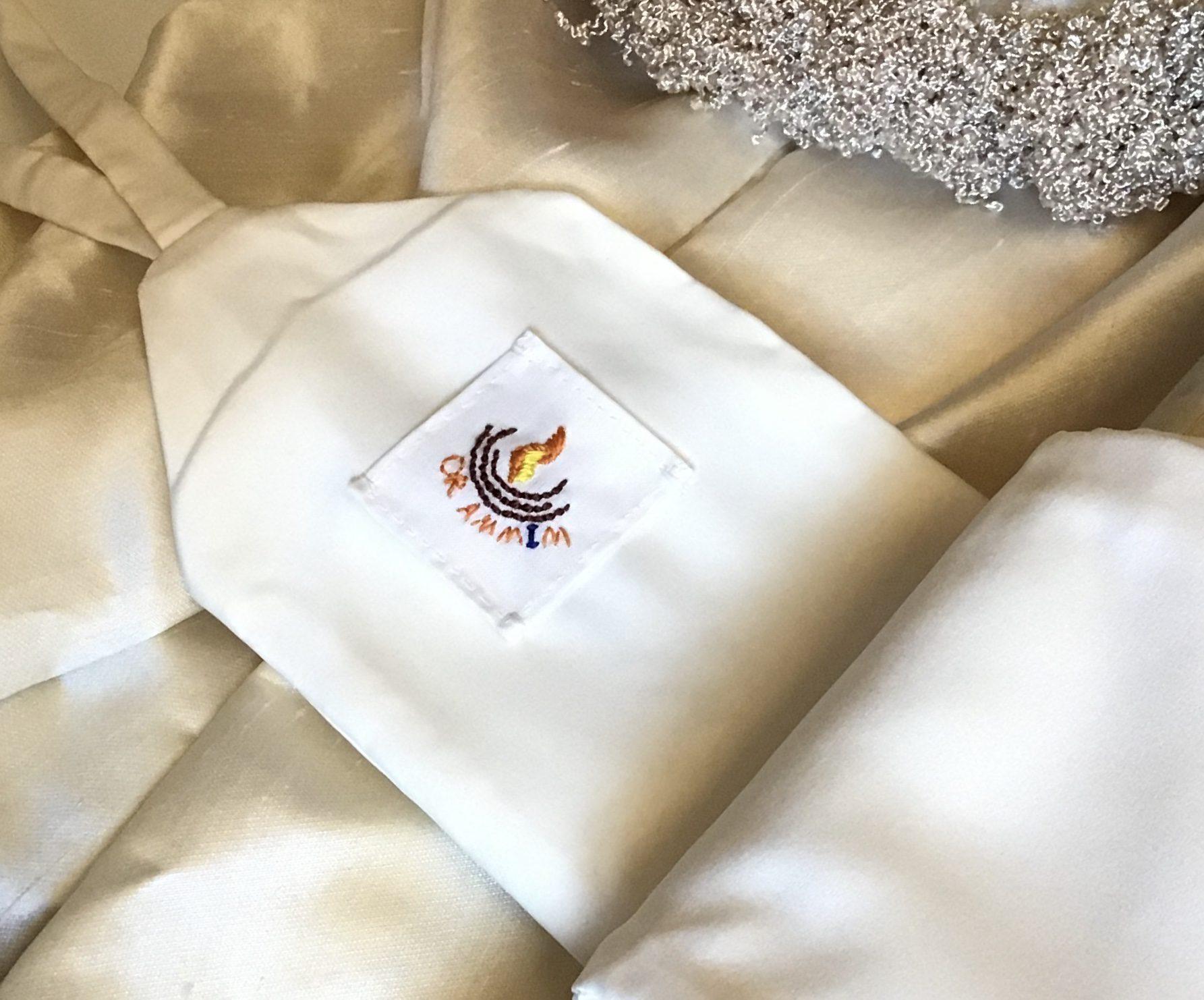
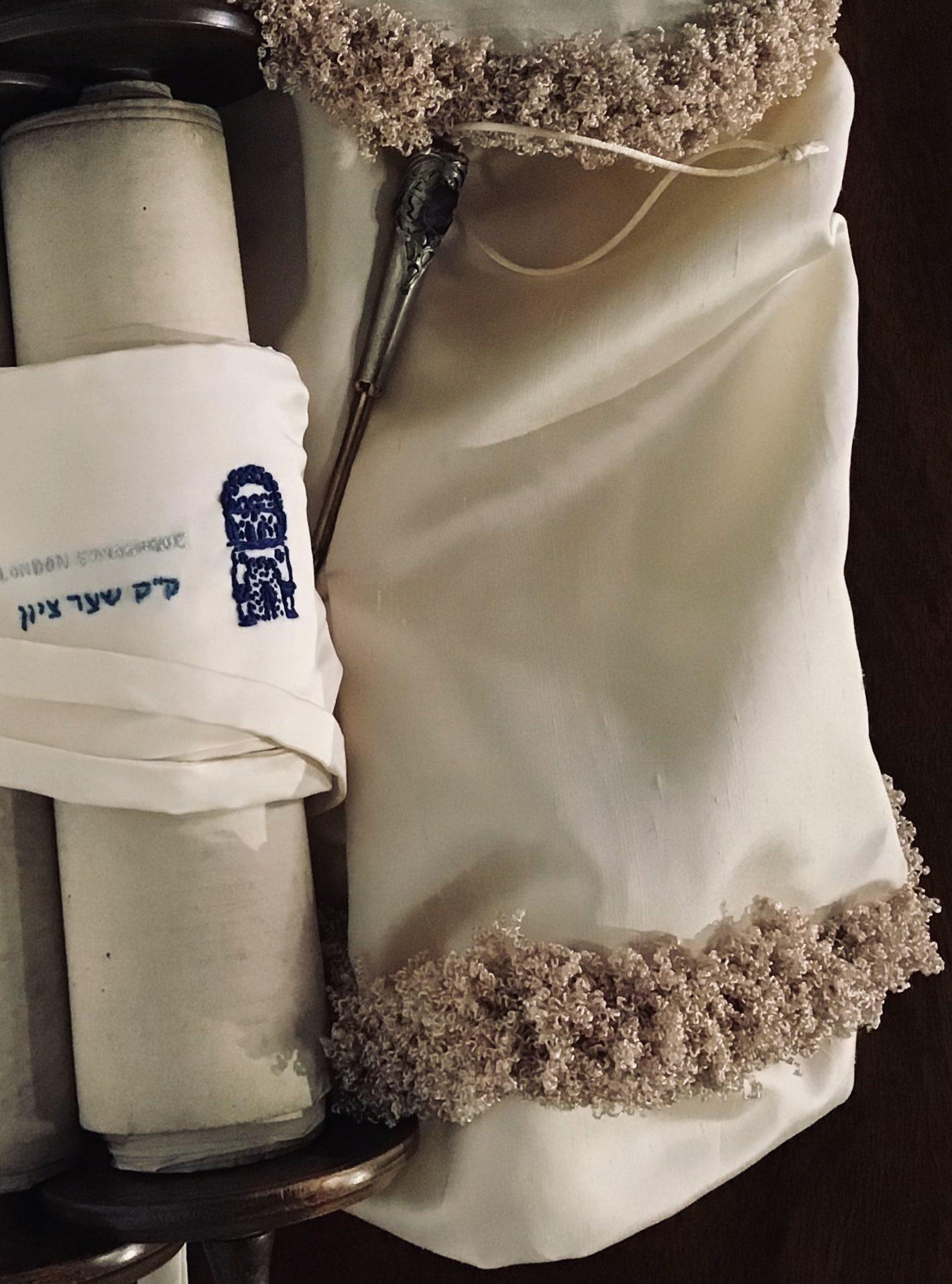
Description
I am very passionate about the topic of Torah binders, which combines my love for Judaism and my fascination with textile art and the story of people and families.
During my Jewish studies in London I was able to learn about a wide variety of ancient binders. Indeed, thanks to Mrs. Evelyn Friedlander z'l', mother of Rav Ariel J Friedlander, I had the honor of serving on the Memorial Scroll Trust in London of which she was the inspiration and curator for so many years, which houses and cares for the new life of some 1,500 Torah scrolls saved from the destruction of Eastern European synagogues during the Shoa.
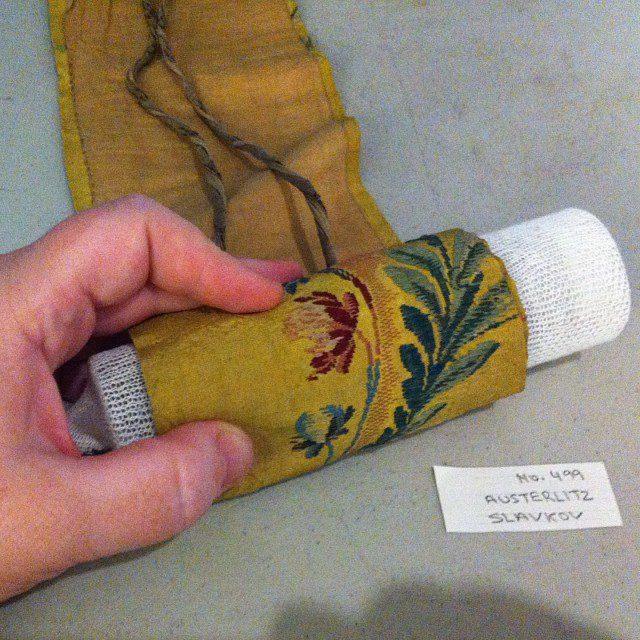
The project involved the arriving in London of a load of ancient binders from Prague, which we proceeded to examine, catalog, and artfully roll up and create a collection for the MST museum, about which you can learn more here . This was an exciting and treasured experience for me. In this photo, Rav Ariel shows a binder from Prague. 
The earliest practice was that the sifrei Torah were wrapped only with a cloth, known in Hebrew and Jewish Italian as the mappah. Originally, most of these were made from old garments, but a some Rabbis disapproved of this practice, deeming it disrespectful of the Torah. In deed, the biblical commandment hiddur mitzvah encourages aesthetically beautiful objects and apparel of Jewish ritual life to render devotion and spiritual experience very special.
Since the cloth used to wrap a newborn baby at the time of his brit milà (circumcision) was hallowed, it became customary to donate it for use as mappot protecting and embellishing the Torah scrolls. When the child then became bar mitzvah, at age 13, that mappah would clothe the scroll from which the boy would read in the synagogue that day, or later go to be part of the canopy of the bride and groom, the chuppah.
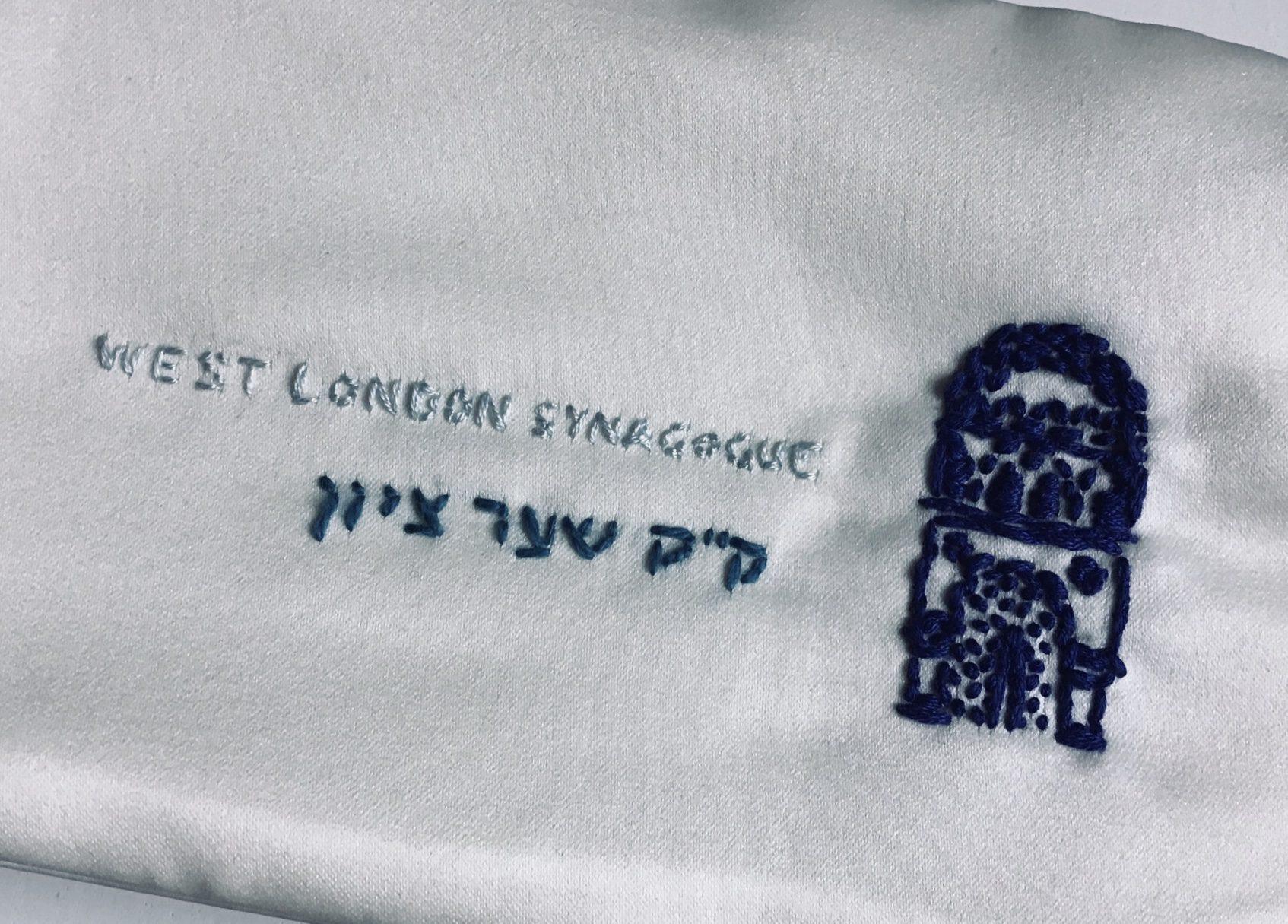
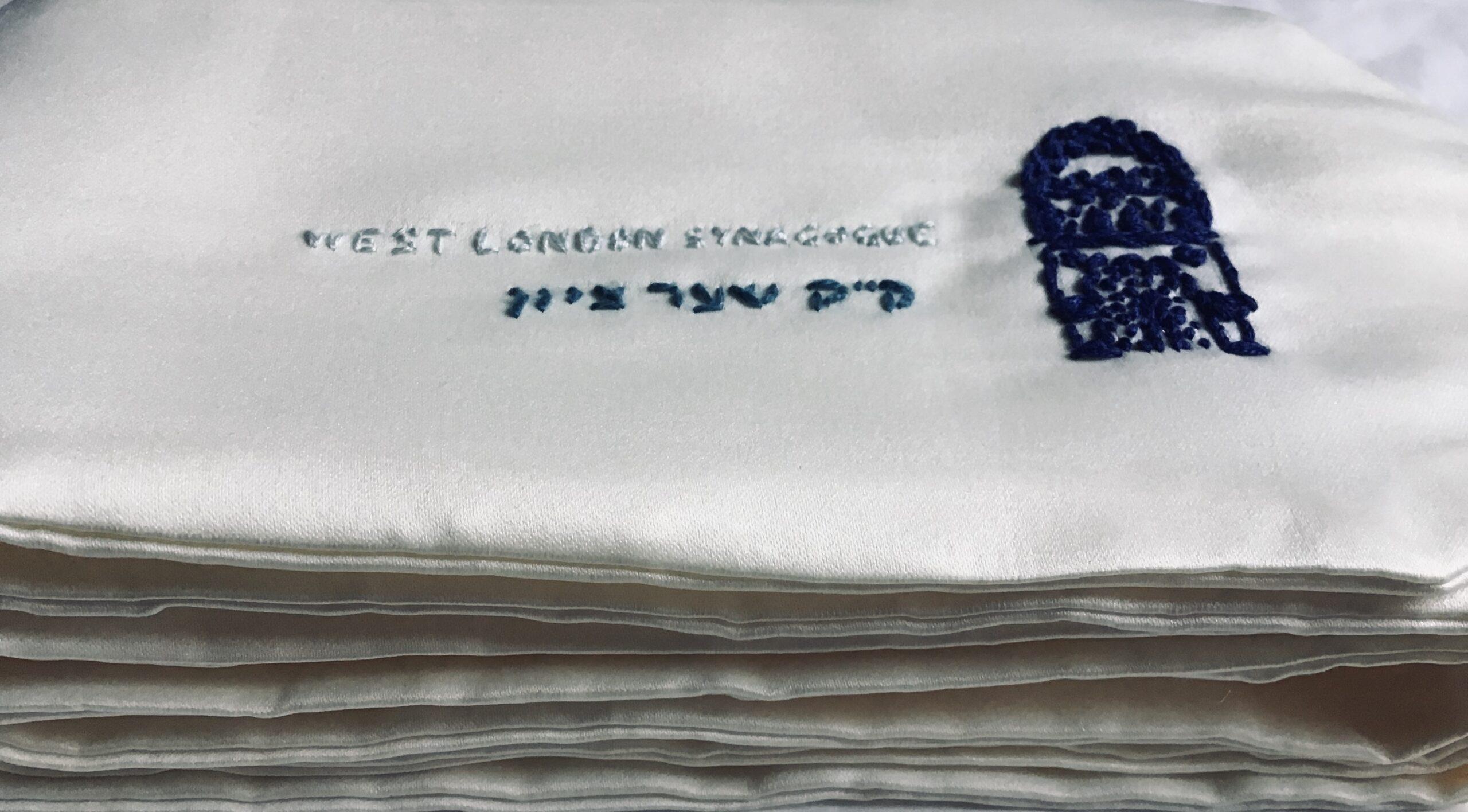
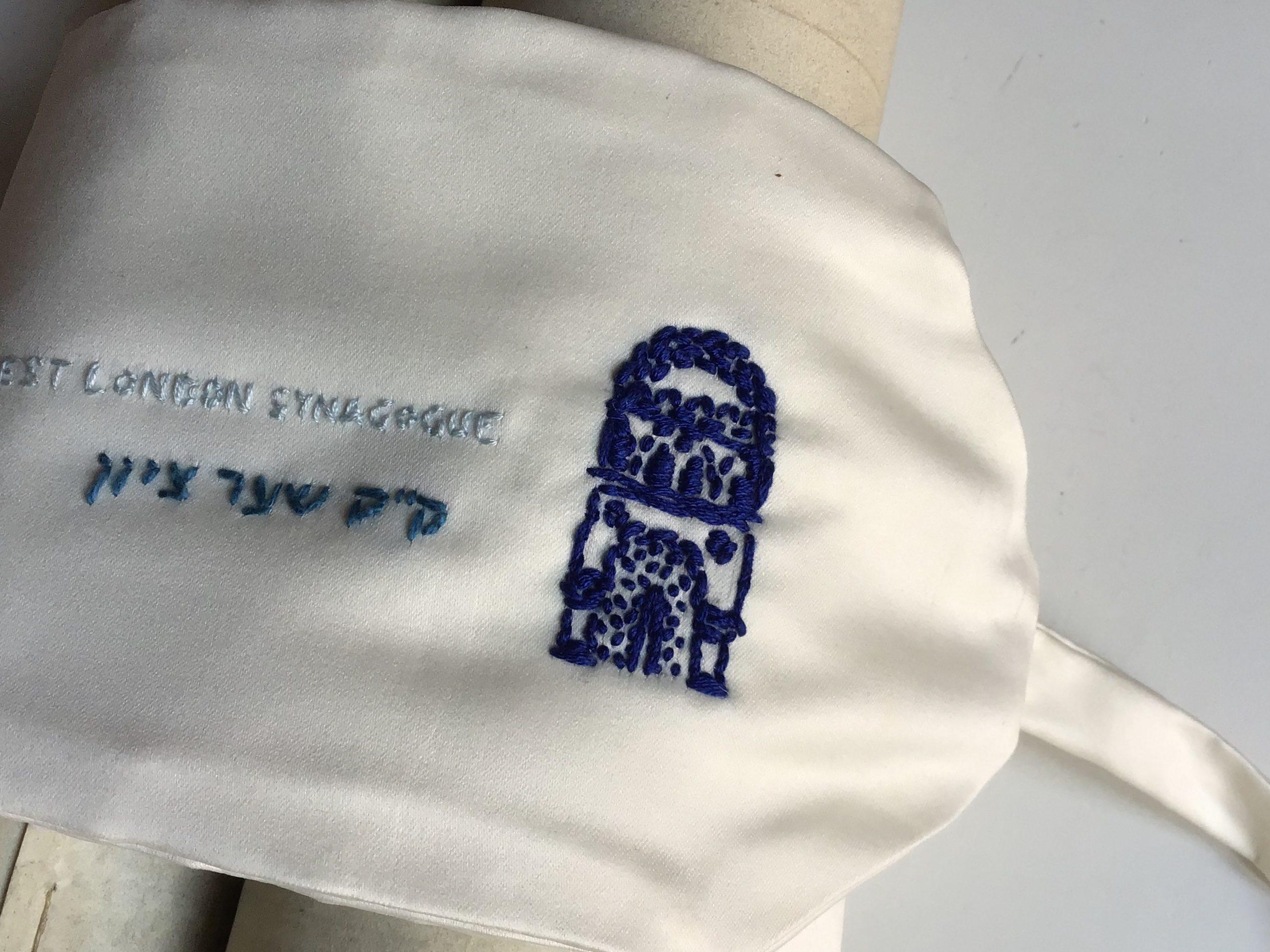
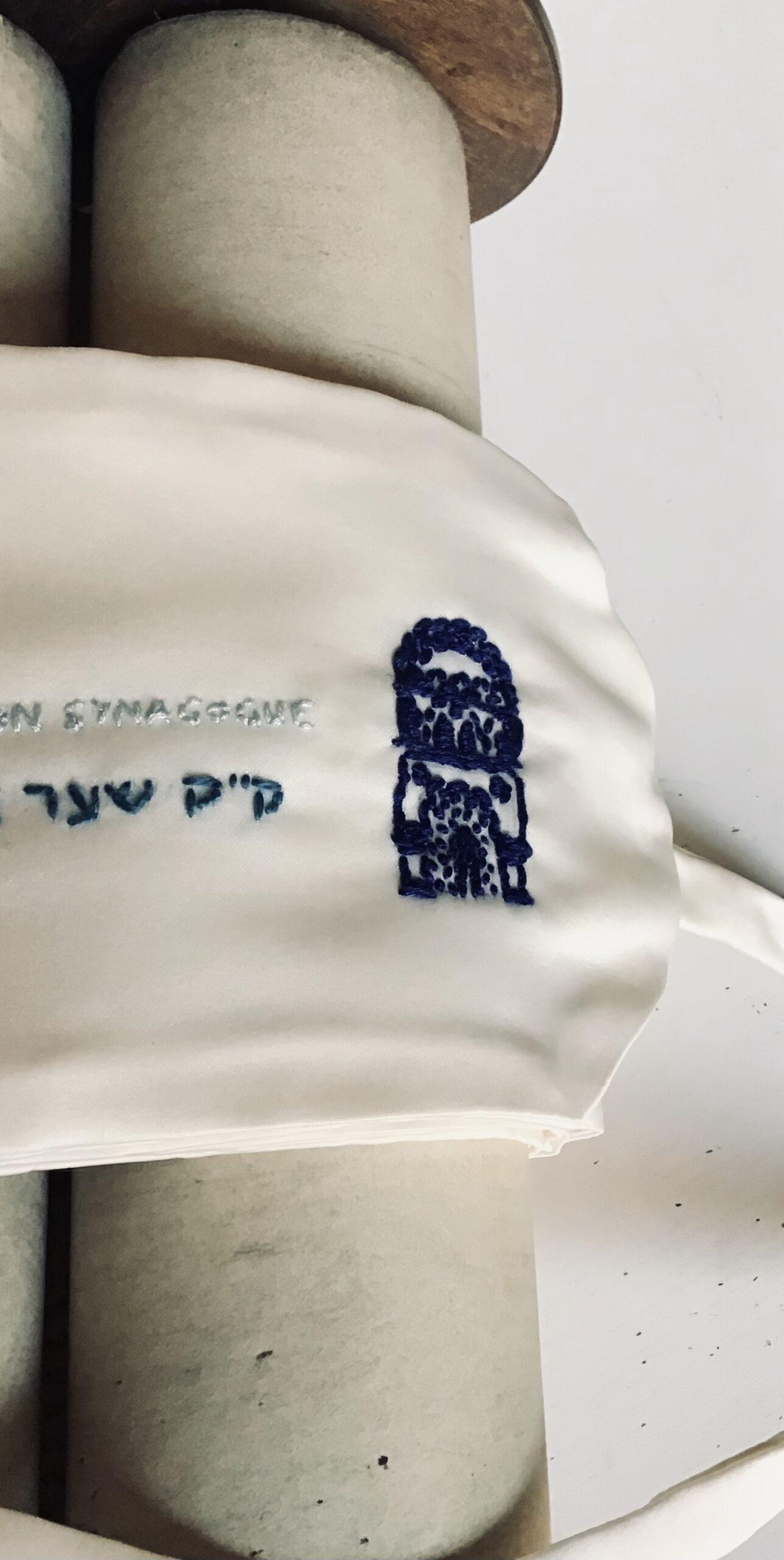
In the Ashkenazic, Germanic tradition, this binder, usually made of linen and embroidered with images related to the baby, the family, and the synagogue to which they belong, is called wimpel (Yiddish word derived from the German bewimfen, meaning to cover, to hide); nowadays it is more common to see it in new silk. Otherwise we have the gartel, which in Sephardic tradition (countries of the Mediterranean) is an actual velvet elastic belt with a buckle.
Reviews
There are no reviews yet.