Modena, 14th Tishrí 5784, 29th of September 2023
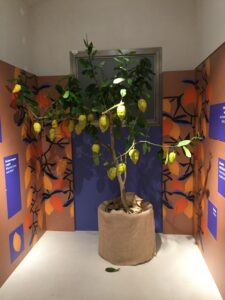
Here we are, it's the joy of Sukkot! The Sages call it Ha Chag, THE celebration, the simcha, because it represents the culmination of a joy that has no specific reason for which to thank God, other than gratitude for our life. Speaking of, in this pic what you see is a real Lemon tree living at the MEIS Jewish Museum in Ferrara, that kept nourishing its own fruits all the way into Sukkot's exhibition in 2022.
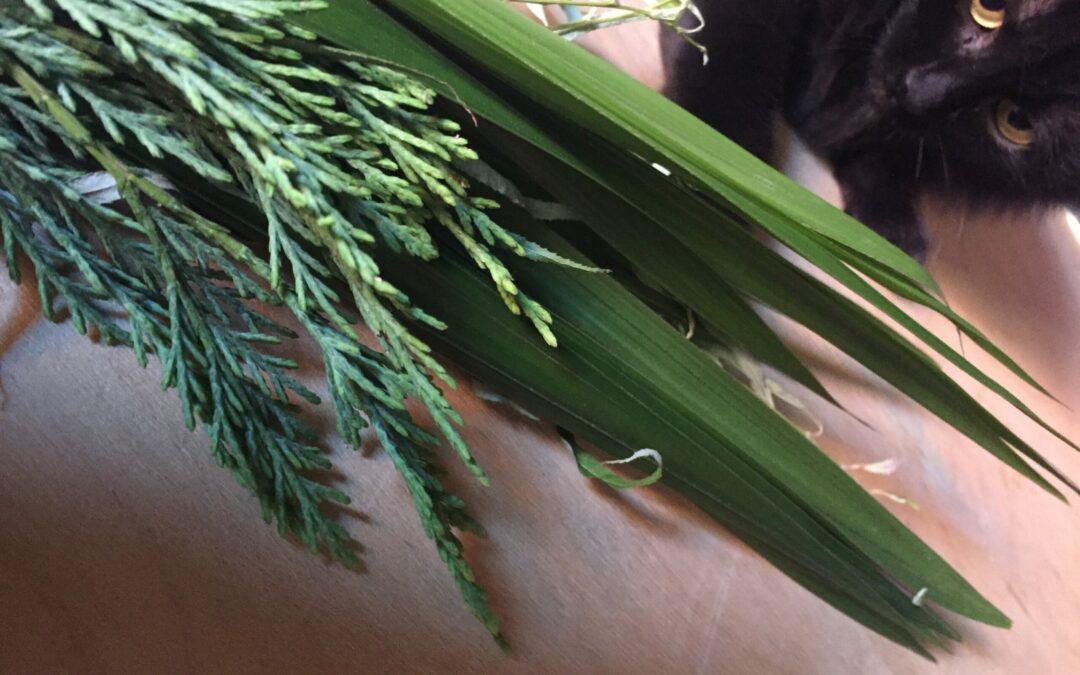
In the holiday week of Sukkot, we celebrate the survival of the Jews in the 40 years of our journey through the desert. God provided us with everything we needed, huts to live in, manna to feed us, even education (at least God tried!) through Moses, putting up with our episodes of nostalgia, fear, rebellion. Indeed, the Chief Rabbi of England Rav Ephraim Mirvis says that in theory we should celebrate Sukkot during Passover!
But no, it is right to have it in this season: at Sukkot we are commanded to rejoice, therefore the moment should not coincide with the re-living of the exodus from Egypt, when, despite the liberation from slavery, the Israelites were not yet ready to experience joy. This joy of Sukkot is a combination of gratitude for the harvest that is over and a faithful prayer for hopefully upcoming rains, abundant and regular, rain, or perennial snow, whatever is the geographical situation, to nourish the vegetation and the fields.
.
Recalling the journey through the desert, with the stars as ceiling and the sweet manna as bread, on Sukkot we build the 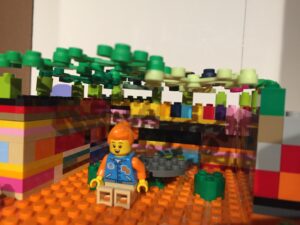 Sukkah, our temporary dwelling with a see-through roof (in the pic is a mini Lego Sukkah, MEIS Jewish Museum Ferrara 2022). We adorn it beautifuly, decorating it with fruits and leaves and auspicious messages on its fragile walls. We spend time in it, we eat together, we sleep, we work, thanking God even for our transience, exposure to risks and vulnerability.
In short, the joy and gratitude of being alive, of still having a chance, is so important to ourselves and our family that we are 'commanded' to feel joy. To this regard, I have never read a more beautiful description of this concept, especially as I find it really spot on with our current social issues, than thisby the magazine Kolot:
“This need to rejoice can be perplexing, as rejoicing at harvest time would seem to be a natural human reaction, and often the Torah does not command us to follow our nature and instincts but, rather, to control them to rise in holiness. Why does the Torah command us to follow our natural inclination?” … ” … simcha, which is a more substantial happiness, a simchat olam, eternal happiness that comes from the recognition of G-d's goodness and the acknowledgment that following G-d's will is the Jewish answer to a meaningful and fulfilling life" ... "The Torah tells us the reaction of Aharon, the brother of Moshe, to this news: “Veraachà vesamach belibbò”, when he sees you he will rejoice in his heart (Shemot 4:14). Aharon is praised for his emotional reaction, because instead of the instinct of jealousy over his younger brother's appointment as a leader, he showed contentment and confidence in G‑d's choice. The Torah, through this verse, encourages the happiness that comes from contentment which in turn comes from trust in G-d, not just trust in ourselves” … “The Torah tells us “vehayita ach sameach”, just be happy, regardless of outcome of that particular harvest, trust in G-d”… “during Sukkot we have the opportunity to put into practice a very important mitzva such as “ahavat chinam”, unconditional love, love for one's neighbor which is independent of any materialistic or utilitarian factor. The festival of Sukkot can and must therefore be a celebration that inspires us for the new year, which teaches us to recognize the source of our sustenance, to recognize the correct path to follow, to do acts of chesed, to help and positively influence others. ”
Wishing you a joyous Sukkot!
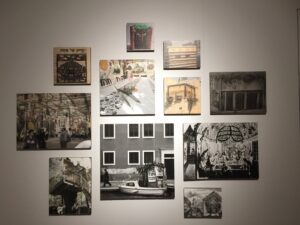 Picture of kinds of Sukkot from MEIS Museum Italy.