


Yet another 'Women's Day', another 8th of March that I remember over my last 40 years, a time in which I have been having very mixed feelings.
Let's start with the term "celebrate": for example, in the Jewish year there are many days, or series of days, dedicated to remembering an event in our history: some are even decreed by the Torah (the regalim), for example Pesach - the Jewish Passover, and are holidays in which Jews not only we remember but we actually reenact the event, "as if we were there ourselves". Of other days, some are more important (the High Holidays for instance), some less so, some are more cultural than religious, such as Independence Day, and one, the 9th of the month of Av, is not called a 'holiday' but a commemoration: Tisha B'Av is a day in the Summer when, with mourning and fasting, we commemorate tragic events such as the destruction of the First Temple (586 b.c.e.), the destruction of the Second Temple by the troops of Titus (70c.e.), the defeat of the insurgents led by Bar Kochba (135c.e.), the destruction of Jerusalem (136c.e.) and the beginning of the diaspora.
In Jewish cemeteries we don't bring flowers to the grave. I totally agree with this tradition, because flowers are creatures that bring joy, scents, a symbolic meaning with which we can send a message to someone... for me these are all lovely things that a living person can appreciate. So how do we show our feelings of remembrance, of respect or love, for someone who is dead? In Jewish cemeteries it is a tradition to place a little stone on the grave when you visit; although it is also very likely that you don't see many stones where distant ancestors are buried because, perhaps because of frequent persecutions of the past, families have moved far away. But memory, memory is kept very much alive, and in Judaism we wish those who live "may the memory of .... be for a blessing".
How? Through our actions. The most frequent case, unfortunately 'normal', is the death of a parent, relative or friend due to old age, when they leave us with the memory of a special sensitivity of them towards something, or a characteristic trait of them that we can cherish in their memory, or which can make us want to start or repair something, perhaps a family or social (which are the same thing) issue that our commitment can help to change. Even more so if the death we commemorate was a mass, violent event, caused by the lack of or failure to implement security measures: bringing justice would be a blessing in our lives.
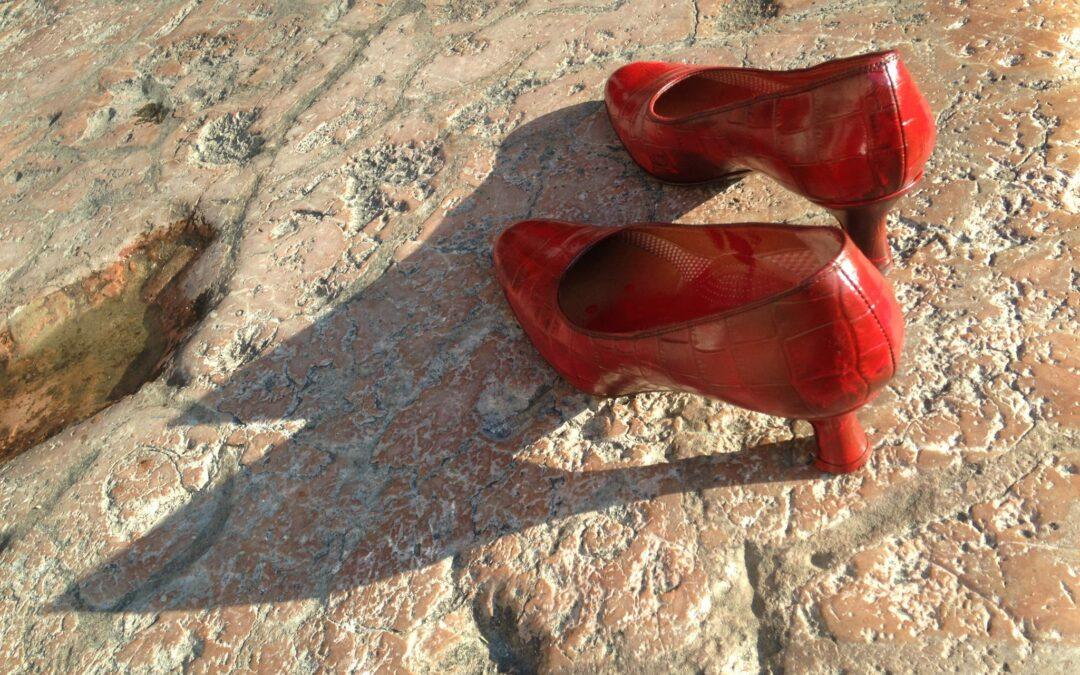
The fact that on 8 March we 'celebrate' the anniversary of a tragic and violent event that happened to working women, with a day of distributing little flowers - which everywhere I see withering in cellophane before the afternoon is even over - and fancy catchphrases, has never suited me well; after 2020, annus horribilis for the Covid-19 pandemic, which among other negative peaks has also seen that of domestic violence against women, I feel even worse.
This year 2021 is even worse for me, in a way also because last year's bad was not for nothing. I have been wanting, I have been able, to understand and deal with those things that make me angry, which are closely linked to why I have been living in Modena for five years. Perhaps if the pandemic had not forced me to analyse those things, finally, from my point of view and with regard to the interest of my work, I would never have tried to begin the process of solving the enigma of relationships between women, between sisters, through my relationship with my mother and my sister. And I will go on.
I reflect back on that day of Tisha B'Av, that disastrous day for the Jewish people, and I remember the Masters commenting that the constant that those events had in common was the "baseless hatred" within the community itself, which made her vulnerable to the enemy.